Stream 01 — Plastic derived
Polymer chains back to usable molecules
Plastic that mechanical recycling cannot economically handle is converted at molecular level into circular hydrocarbon products.
Plastic-derived process
Nine controlled stages from feedstock to product slate.
- 01
Plastic feedstock
Difficult-to-recycle polyolefin-rich streams that would otherwise be landfilled or incinerated.
- 02
Feed preparation
Sorting, size reduction, drying and contaminant removal to a controlled feed specification.
- 03
Technotherm pyrolysis
Oxygen-starved thermal conversion cracks long polymer chains into hydrocarbon vapours.
- 04
Vapour treatment
Hot vapour conditioning removes contaminants and heavy tar carry-over.
- 05
Condensation
Staged cooling recovers condensable hydrocarbons; non-condensables feed process energy.
- 06
Pyrolysis oil
Raw plastic-derived hydrocarbon liquid, the intermediate for all downstream cuts.
- 07
Cleaning / upgrading
Removal of chlorides, metals and residual solids to protect downstream specification.
- 08
Fractionation / distillation
Separation into defined boiling-range cuts under controlled distillation.
- 09
Circular naphtha + diesel-range fuel + heavy fraction
Three commercial outputs placed through Future Fuel Tech.
Feedstock envelope
Specification in, specification out.
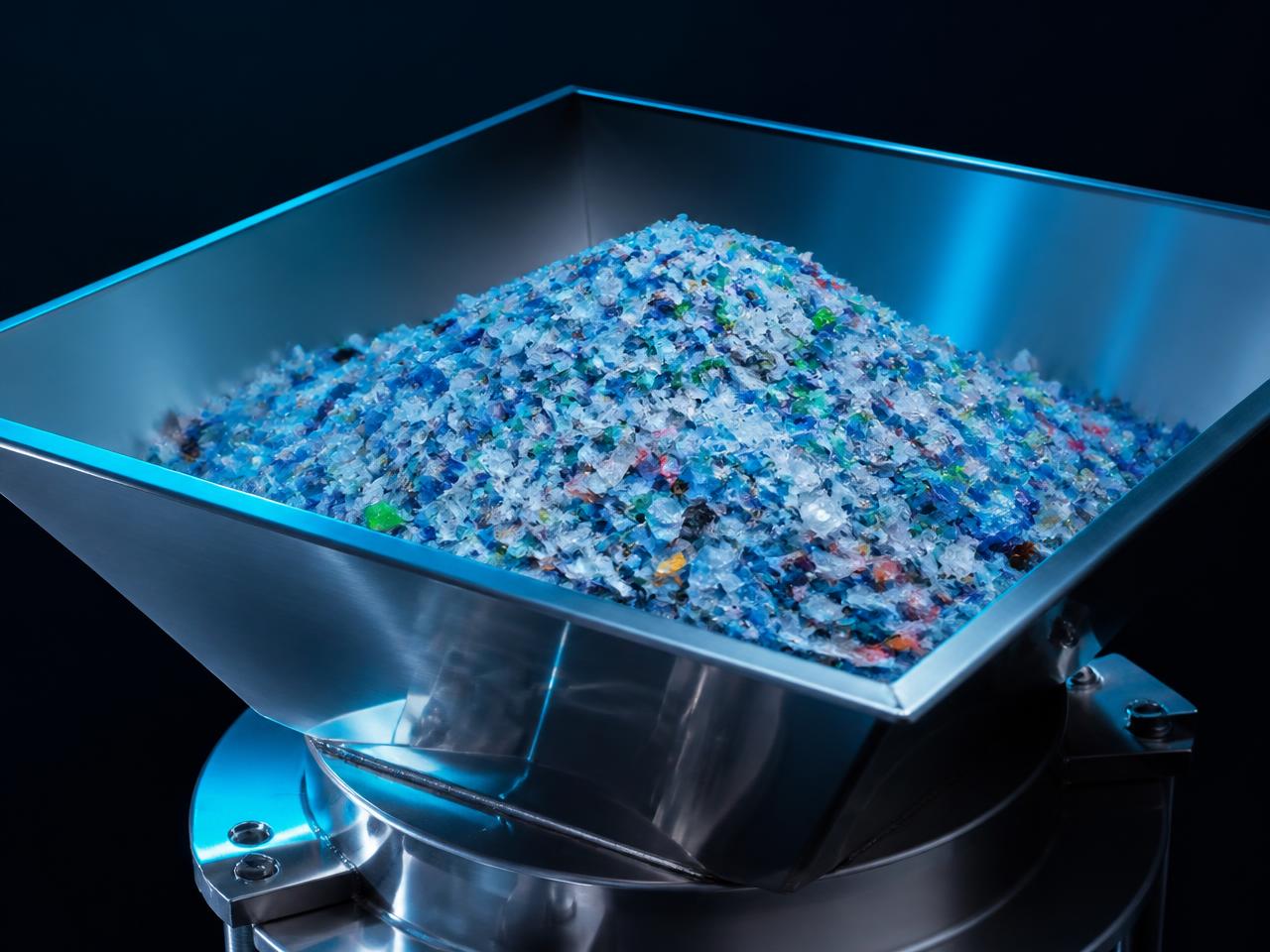
Feed quality drives product quality. Every load is characterised, prepared and mass-balanced before it enters the conversion train.
ACCEPTED
Mixed polyolefin, film, rigid and multilayer plastic rejected by mechanical recyclers.
PREPARED
Shredded, dried and de-contaminated to a controlled particle and moisture window.
EXCLUDED
High-chlorine and heavily inorganic streams outside the process envelope.
DOCUMENTED
Batch-level records supporting downstream traceability and mass balance.
Have feedstock to place, or volume to offtake?
We contract plastic and tyre feedstock supply, and place circular fuel volumes through Future Fuel Tech.